
Ultrafiltration has become a cornerstone technology in modern wastewater treatment, particularly in municipal reuse and industrial water recycling. Ultrafiltration membranes operate with pore sizes typically between 0.01 and 0.1 micrometers, allowing them to effectively remove suspended solids, bacteria, and macromolecules without the need for chemical additives.
Recent guides published in 2026 emphasize the role of ultrafiltration as a pretreatment step for reverse osmosis and advanced oxidation processes. By stabilizing feed water quality, ultrafiltration significantly reduces membrane fouling downstream and lowers operational costs. Advances in membrane materials, including modified polymeric and ceramic membranes, have improved chemical resistance, flux stability, and cleaning efficiency. From an engineering perspective, ultrafiltration design requires careful consideration of transmembrane pressure, flux decline, fouling mechanisms, and backwashing strategies. These aspects make ultrafiltration a strong teaching example of mass transfer, transport resistance, and process optimization in water engineering.

The global chemical industry enters 2026 under mixed economic conditions. Demand growth remains unev...
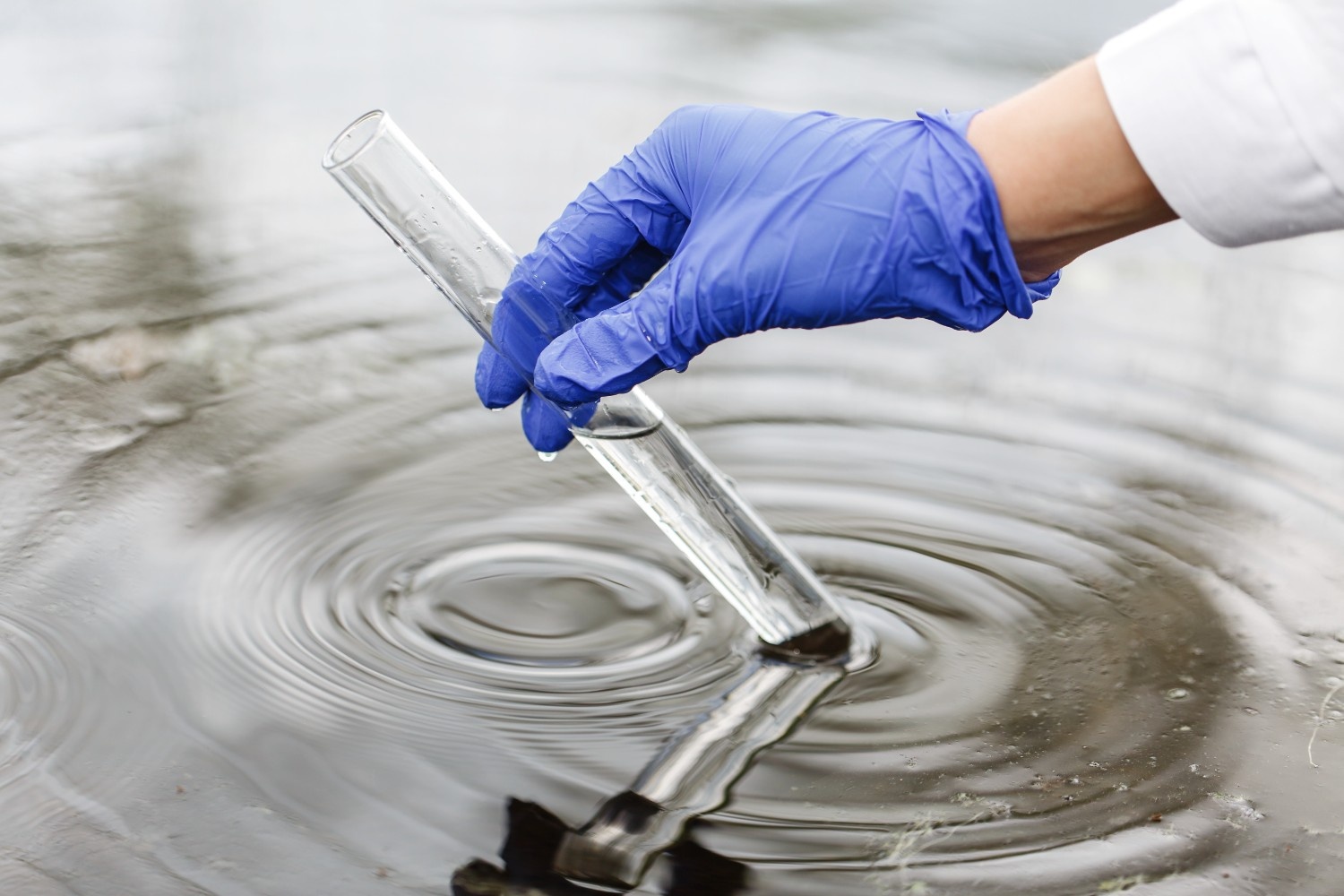
Water treatment technologies are rapidly evolving in response to water scarcity, stricter regulation...

Regulatory frameworks in 2026 are playing a stronger role in shaping chemical engineering practice....
The Chemical Engineer magazine remains a trusted source of practical industry news and professional...
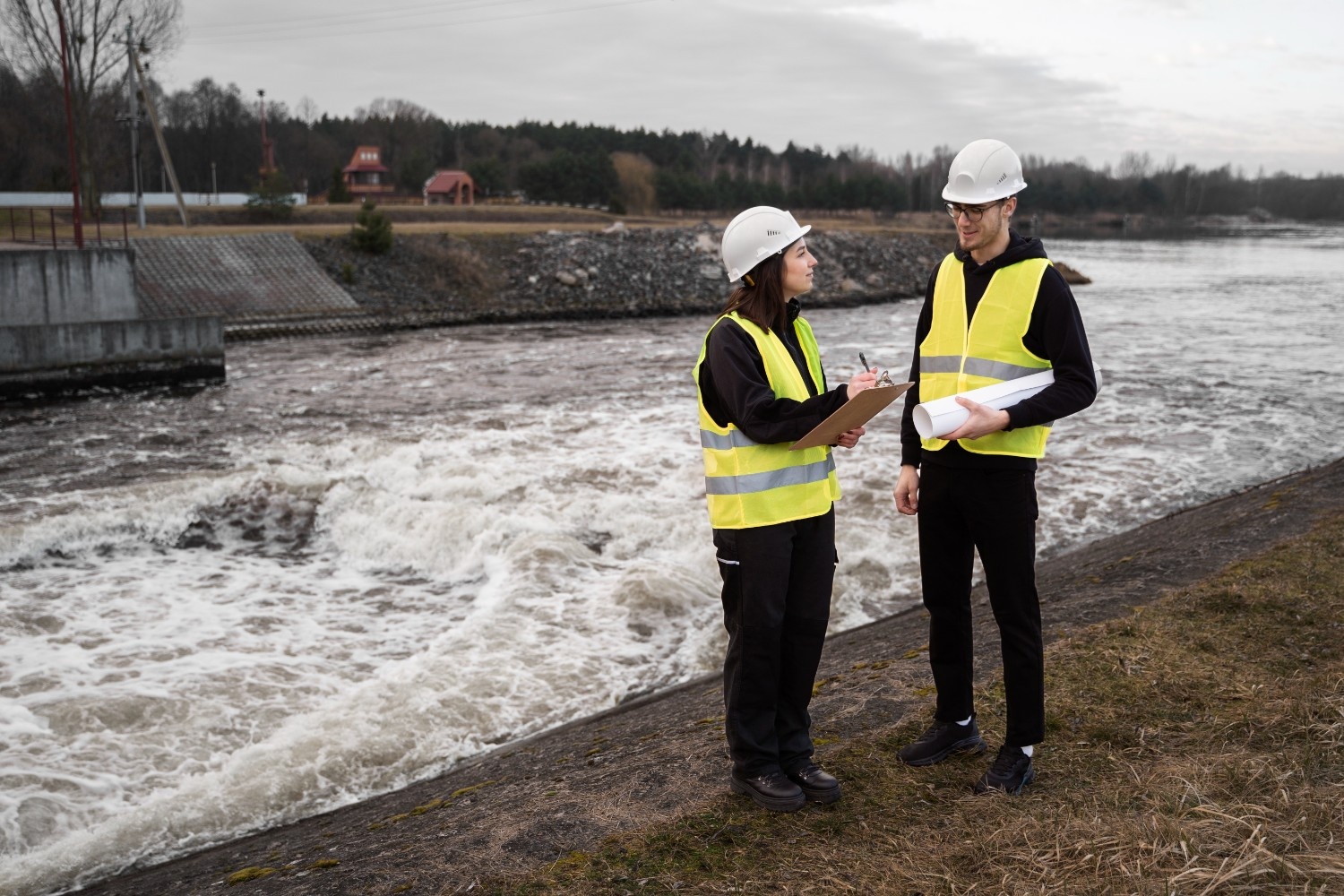
Industrial water management is increasingly focused on minimizing discharge and maximizing reuse. Ze...

Mass transfer research and industrial practice in 2026 increasingly focus on process intensification...
Thermal system design is central to energy efficiency and sustainability in chemical engineering. Cu...
.png)