
Mass transfer research and industrial practice in 2026 increasingly focus on process intensification. Technologies such as membrane contactors, rotating packed beds, and hybrid absorption–adsorption systems are being adopted to reduce equipment size and improve efficiency. These systems enhance interfacial area and mass transfer rates while lowering energy consumption.
Applications include carbon capture, gas purification, solvent recovery, and advanced separations in chemical and environmental engineering. Engineers are paying closer attention to transport resistances, phase equilibrium, and hydrodynamics to optimize performance.
Mass transfer remains a core pillar of chemical engineering, and modern developments show how classical theory continues to drive innovation.


The global chemical industry enters 2026 under mixed economic conditions. Demand growth remains unev...
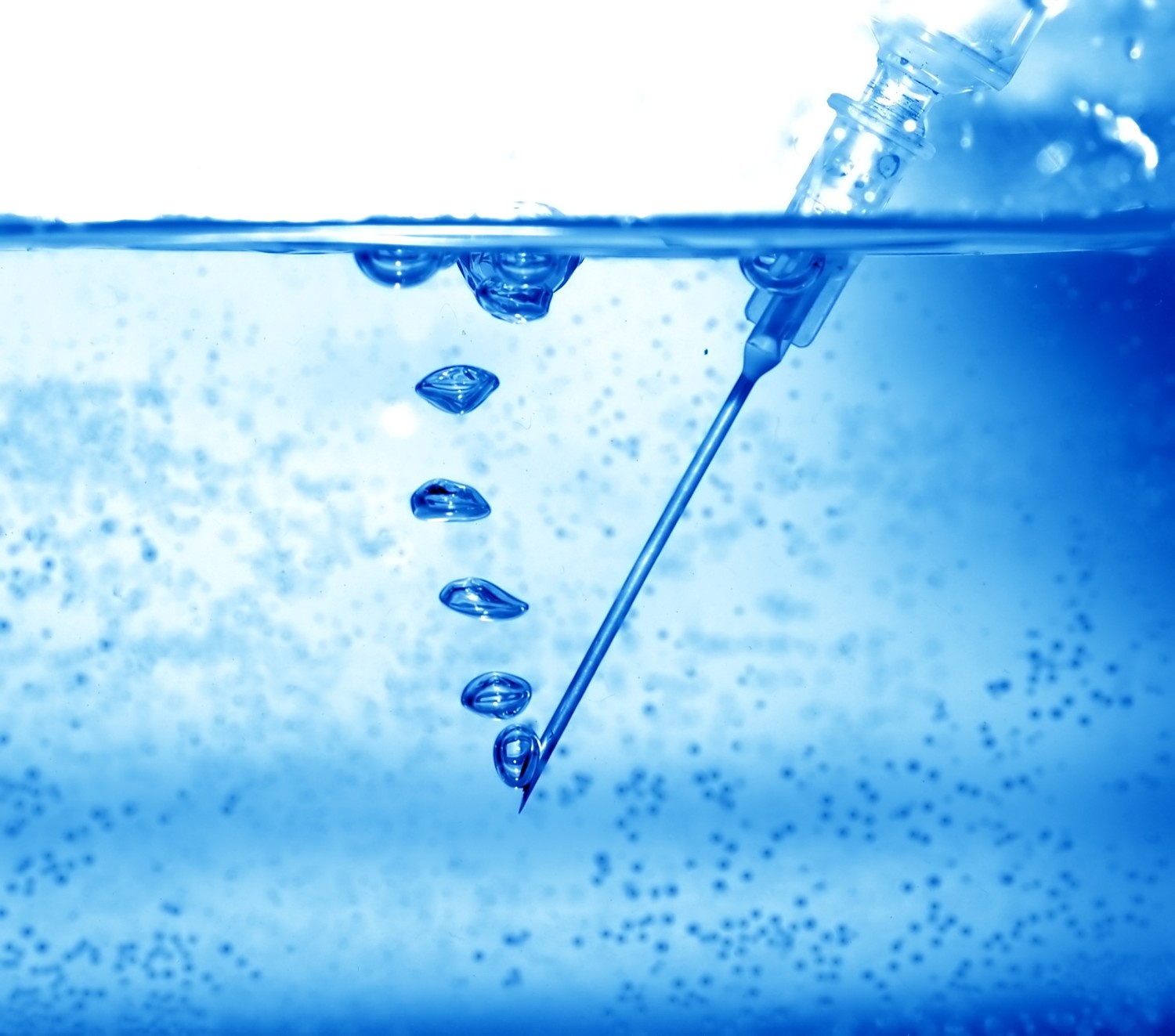
Ultrafiltration has become a cornerstone technology in modern wastewater treatment, particularly in...
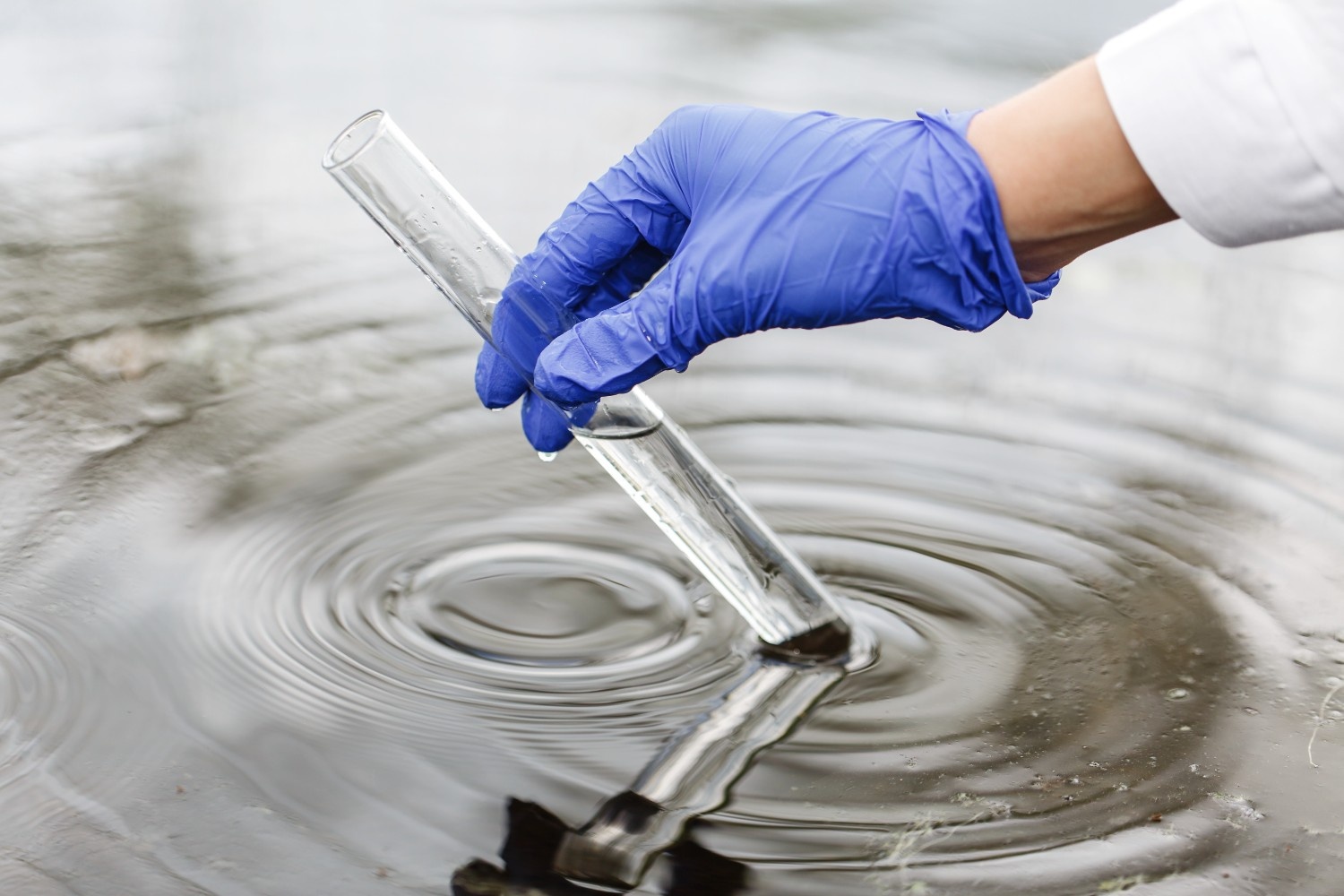
Water treatment technologies are rapidly evolving in response to water scarcity, stricter regulation...

Regulatory frameworks in 2026 are playing a stronger role in shaping chemical engineering practice....
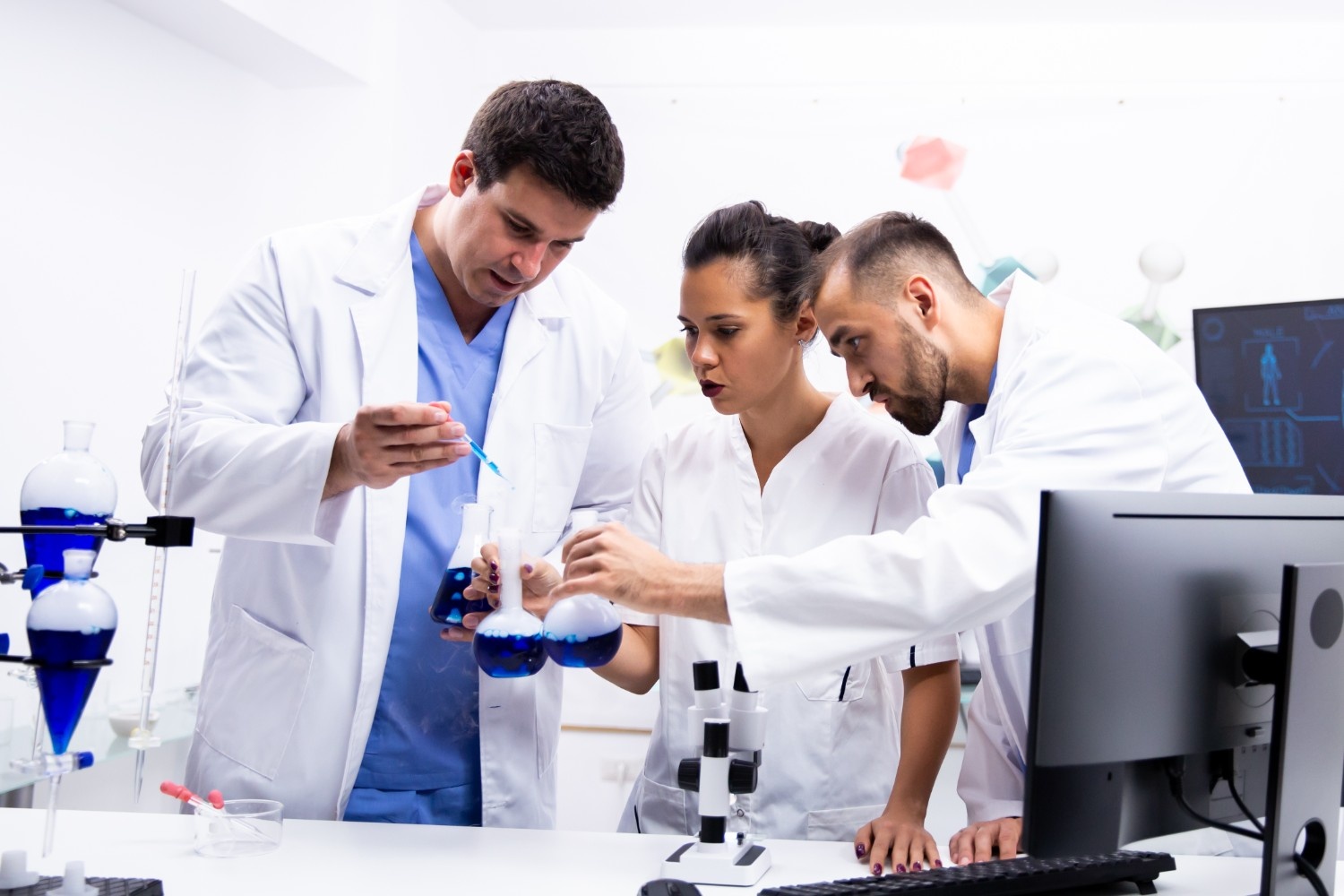
The Chemical Engineer magazine remains a trusted source of practical industry news and professional...
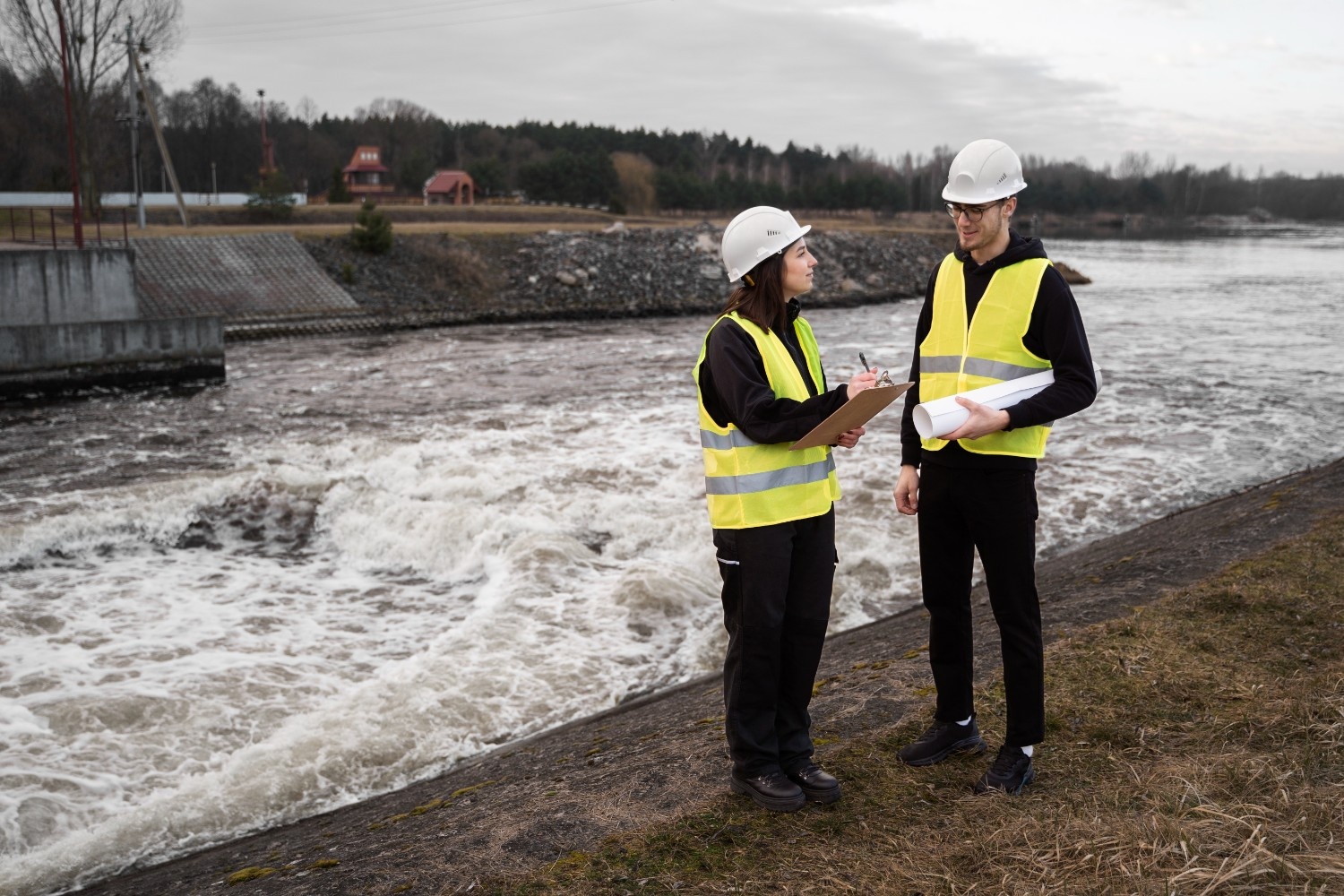
Industrial water management is increasingly focused on minimizing discharge and maximizing reuse. Ze...

Thermal system design is central to energy efficiency and sustainability in chemical engineering. Cu...
.png)