
Industrial water management is increasingly focused on minimizing discharge and maximizing reuse. Zero Liquid Discharge (ZLD) systems are a key example, combining membrane separation, thermal evaporation, and crystallization to eliminate liquid waste streams. These systems are particularly relevant for industries such as power generation, oil and gas, and chemicals.
Recent projects emphasize energy optimization and hybrid designs that reduce the high energy demand traditionally associated with ZLD. Innovations include better heat integration, improved brine concentration methods, and advanced control strategies.
For chemical engineers, ZLD systems represent complex, integrated process design challenges involving mass transfer, heat transfer, thermodynamics, and economics.
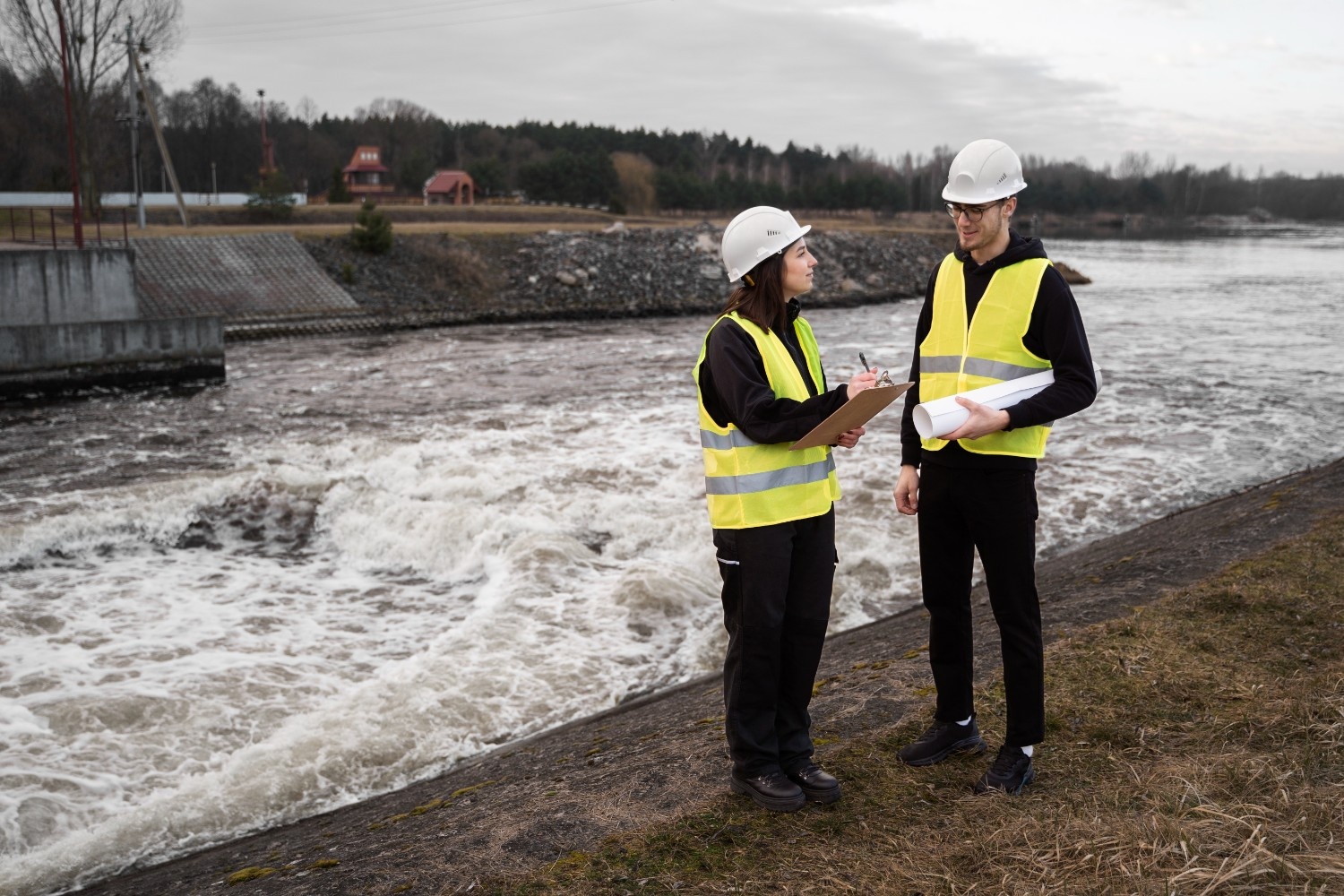

The global chemical industry enters 2026 under mixed economic conditions. Demand growth remains unev...
Ultrafiltration has become a cornerstone technology in modern wastewater treatment, particularly in...
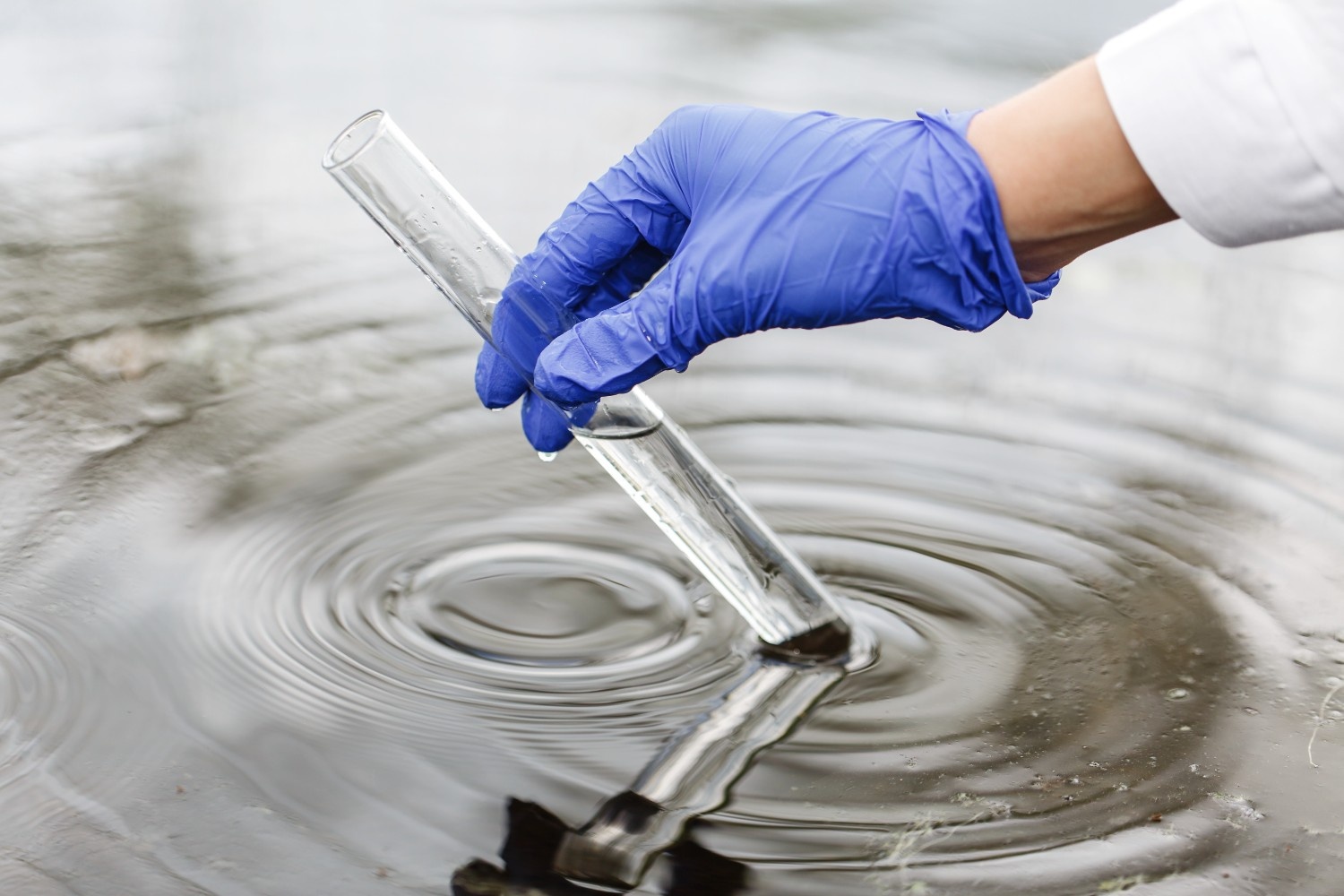
Water treatment technologies are rapidly evolving in response to water scarcity, stricter regulation...

Regulatory frameworks in 2026 are playing a stronger role in shaping chemical engineering practice....

The Chemical Engineer magazine remains a trusted source of practical industry news and professional...

Mass transfer research and industrial practice in 2026 increasingly focus on process intensification...

Thermal system design is central to energy efficiency and sustainability in chemical engineering. Cu...
.png)